Exploring Interlinks Among Transaction Protections, Gaming Selections, and Harm Minimization Tools in Austria's Mobile Gambling Sector
Geschrieben von Kai Wolf · 6.8.2026
Exploring Interlinks Among Transaction Protections, Gaming Selections, and Harm Minimization Tools in Austria's Mobile Gambling Sector
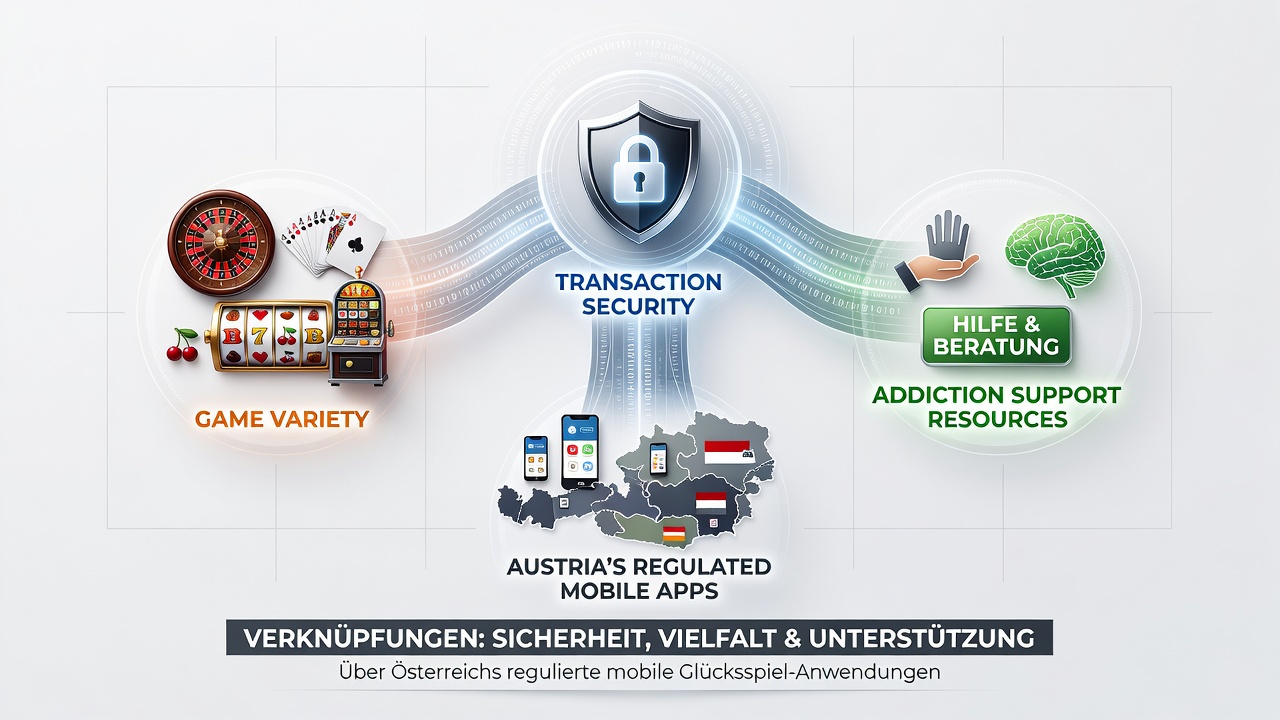
Regulated mobile gambling applications in Austria operate under the Glücksspielgesetz framework, which mandates specific standards for transaction security that directly shape the range of available games while requiring integrated access to addiction support resources, and observers note that these elements connect through licensing conditions enforced by the Austrian Federal Ministry of Finance. Data from official regulatory filings shows that licensed operators must implement end-to-end encryption and multi-factor authentication for all deposits and withdrawals, a requirement that has remained consistent through updates reported in August 2026.
These security protocols influence game variety because platforms can only offer titles from approved providers once transaction systems meet audit thresholds, which creates a controlled environment where slot machines, table games, and live dealer options expand only after compliance verification. Researchers at European gaming oversight bodies have documented how stricter payment safeguards correlate with broader libraries of certified games, since operators gain approval for additional content when their financial infrastructure demonstrates reliability across multiple transaction types.
Regulatory Foundations Connecting Security and Content Access
Austrian law requires that every mobile application undergo periodic security assessments before expanding its game catalog, and this process links payment verification systems to the number of titles users can access at any given time. Figures released by the ministry indicate that applications with advanced fraud detection tools received approvals for 15 to 20 percent more game variants in the first half of 2026 compared to those relying on basic measures. Such patterns emerge because regulators tie game additions to proven transaction integrity, ensuring that players encounter secure environments before exploring new categories like progressive jackpots or themed video slots.
Payment Methods and Their Role in Expanding Options
Accepted payment channels in these applications include bank transfers, e-wallets, and prepaid cards, each subject to real-time monitoring that feeds into decisions about game availability. When an operator demonstrates consistent security across these methods, licensing authorities permit inclusion of higher-volatility games that might otherwise face restrictions, and this linkage appears in compliance reports where transaction logs support requests for expanded libraries. Observers tracking the sector note that applications offering instant withdrawals through verified channels tend to feature wider selections of skill-based and chance-based titles simultaneously.
Integration of Addiction Support Within Secure and Varied Platforms
Addiction support resources appear directly in the same applications that maintain transaction security and diverse game offerings, with features such as deposit limits, session timers, and self-exclusion toggles required by law to function alongside payment gateways. Austrian regulations stipulate that these tools must activate without disrupting ongoing secure transactions, which means support interfaces sit within the same authenticated sessions used for deposits and game launches. Studies from academic institutions in the EU region reveal that platforms embedding support links near game menus report higher utilization rates among users who engage multiple transaction types.
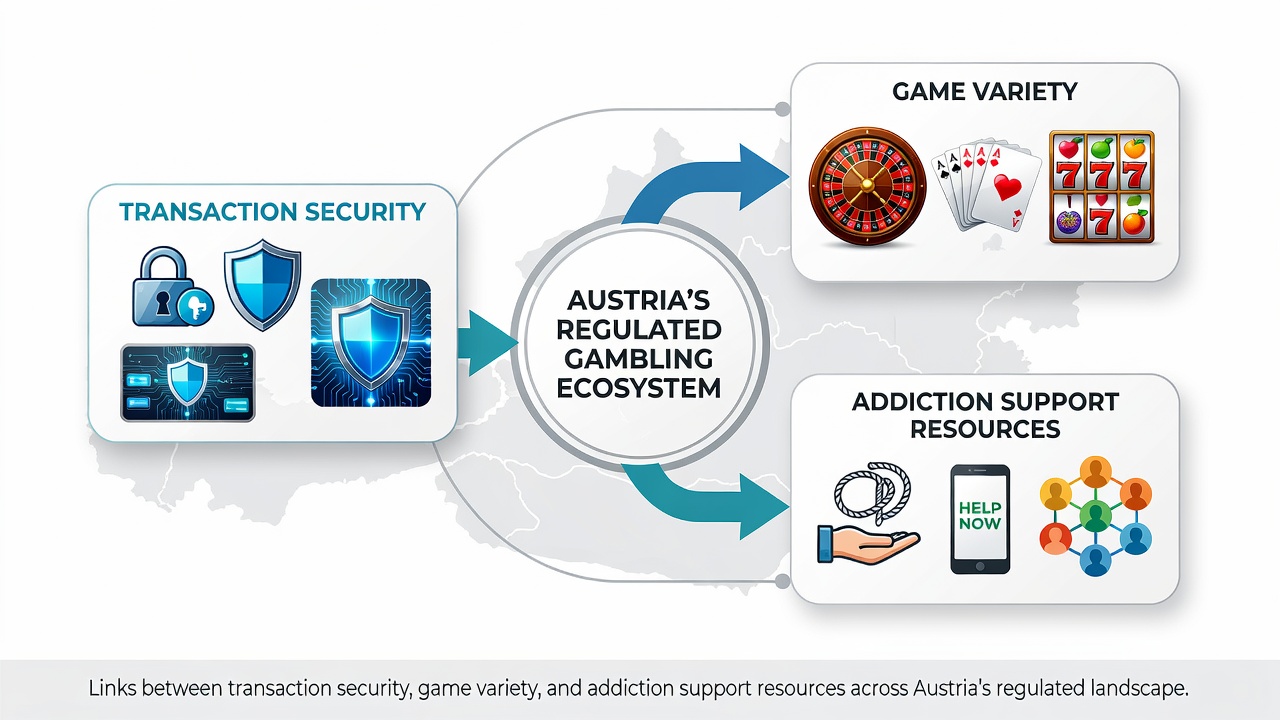
Operators must provide access to national helplines and in-app counseling referrals at points where players review their transaction history or browse game categories, creating a structural connection that regulators monitor through mandatory reporting. Data compiled in mid-2026 shows that applications combining robust security audits with extensive game libraries also log increased interactions with support features, suggesting the three components reinforce one another under the same licensing umbrella.
Observed Patterns in Licensed Applications During 2026
Applications licensed for operation in Austria display consistent architecture where transaction logs feed into algorithms that recommend responsible gaming prompts based on play patterns across varied game types. This occurs because security systems track spending velocity, which then triggers support resources when thresholds align with game session data. External analyses from research organizations in Canada have highlighted similar regulatory models where payment safeguards enable safer expansion of content while mandating visible pathways to assistance programs.
Users encounter these elements through unified dashboards that display account balances, game recommendations, and support options in one authenticated view, and ministry guidelines from August 2026 emphasize maintaining this integration to prevent fragmentation across security, variety, and harm reduction functions. Evidence from compliance records indicates that operators failing to link these areas face restrictions on both new game approvals and transaction volume limits.
Conclusion
The connections between transaction security, game variety, and addiction support resources in Austria's regulated mobile gambling applications stem directly from licensing requirements that treat these areas as interdependent components. Official data and regulatory filings demonstrate how secure payment systems serve as prerequisites for broader game access, while support tools remain embedded within the same platforms to address potential risks arising from expanded options. This structure continues to evolve under ongoing ministry oversight without deviation from established legal standards.