Legal Mandates Shaping Incentive Structures and Self-Exclusion in Austria's Mobile Gambling Platforms
Geschrieben von Kai Jung · 20.8.2026

Legal Mandates Shaping Incentive Structures and Self-Exclusion in Austria's Mobile Gambling Platforms
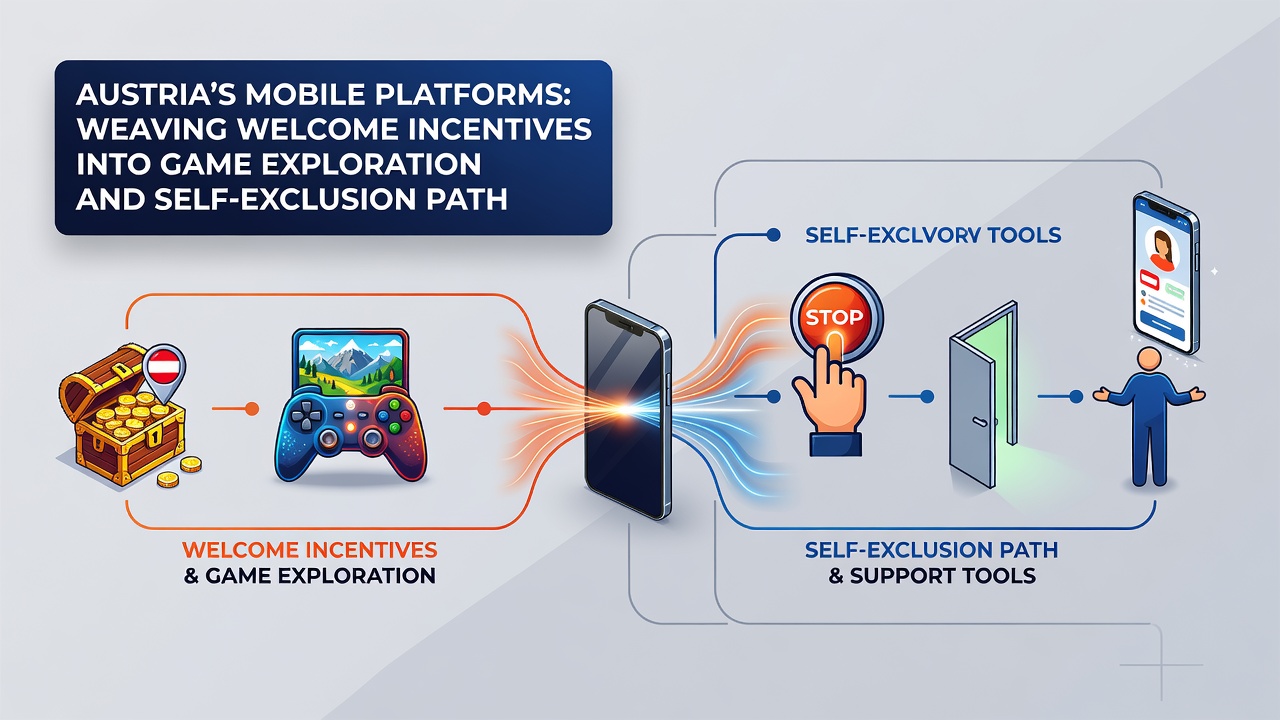
Data from Austrian regulatory bodies shows that mobile platforms must integrate welcome incentives directly with structured game exploration paths while embedding self-exclusion tools at every stage of user interaction, and these requirements stem from national gambling laws updated through 2025 with further clarifications expected in August 2026.
Platform operators receive clear directives on how bonus offers connect to initial game access, so developers design flows where players encounter responsible gaming prompts immediately after claiming incentives, and this approach aligns with broader EU standards on consumer protection in digital environments.
Regulatory Framework Guiding Mobile Operations
Austrian legislation requires that all licensed mobile gambling applications embed self-exclusion pathways alongside incentive mechanisms, which means users can activate restrictions without leaving the platform, and government reports indicate compliance rates have risen steadily since the last major revision in 2024. Observers note that these rules prevent incentives from leading players into unrestricted exploration, so apps must display clear navigation options to limit-setting features right from the welcome screen.
Incentive Design and Exploration Pathways
Welcome incentives on Austrian mobile platforms follow specific legal parameters that tie bonus activation to controlled game access, which allows developers to guide users through selected titles while monitoring for signs that warrant intervention, and research from European gaming institutes reveals that such integrated designs reduce unintended prolonged sessions. Platforms must present game libraries in ways that highlight both entertainment options and responsible play resources, so players encounter self-exclusion toggles during exploration rather than after extended activity.
According to industry analyses from the European Gaming and Betting Association, operators in Austria have adapted their systems to link incentive claims with mandatory review periods, and this process encourages deliberate choices before full game access opens. Data shows that when welcome offers connect seamlessly to exploration tools, users engage more selectively with available titles.
Self-Exclusion Integration Under Legal Requirements
Legal mandates in Austria demand that self-exclusion functions remain accessible throughout the user journey, which includes moments when players claim incentives or browse game libraries, and this continuous availability helps maintain compliance while supporting player control. Reports from the Austrian Federal Ministry of Finance detail how platforms must log every interaction with these tools, creating transparent records that regulators review during audits scheduled through late 2026.
Developers incorporate these pathways by placing self-exclusion links within incentive confirmation pages and game menus alike, so the transition from exploration to restriction happens without friction, and studies conducted by academic centers in Central Europe confirm that such placements increase voluntary use of protective features. The structure ensures that legal obligations around player safeguards receive equal priority with commercial elements like welcome offers.
Implementation Patterns Across Licensed Platforms
Licensed operators demonstrate consistent patterns when weaving these elements together, which involves testing app interfaces to verify that incentive flows lead naturally toward both game variety and self-exclusion options, and compliance data collected in early 2026 indicates high adherence across major providers. Platforms often use progressive disclosure techniques, revealing deeper game exploration only after users acknowledge available support mechanisms.
External evaluations from research organizations such as the Australian Gambling Research Centre highlight similar approaches in other regulated markets, yet Austrian implementations emphasize real-time integration unique to national law. Figures reveal that platforms updating their systems ahead of the August 2026 review period show stronger alignment with mandated pathways.
Future Adjustments and Compliance Monitoring
Regulatory updates planned for August 2026 focus on refining how incentives interact with self-exclusion during game exploration, and authorities expect operators to submit revised app architectures for pre-approval. This process builds on existing frameworks that already require detailed mapping of user pathways from initial access through ongoing engagement.
Technical Standards for Seamless Integration
Technical standards issued by Austrian oversight bodies specify that mobile platforms must support simultaneous display of incentive details alongside self-exclusion controls, which prevents any separation between commercial features and protective tools. Implementation involves API connections that update restriction statuses instantly across game libraries, ensuring exploration remains bounded by user-set limits at all times.
Conclusion
Austria's approach to mobile gambling platforms demonstrates how legal mandates can structure welcome incentives, game exploration, and self-exclusion into unified user experiences, and ongoing monitoring through 2026 will likely refine these connections further. Data from regulatory sources and international comparisons show measurable progress in embedding safeguards without disrupting platform functionality, which supports sustained compliance across the sector.