Navigating Feedback Loops Between Player Reviews and Self-Exclusion Tools Across Austria's Licensed App Ecosystems
Geschrieben von Kai Wolf · 11.8.2026
Navigating Feedback Loops Between Player Reviews and Self-Exclusion Tools Across Austria's Licensed App Ecosystems
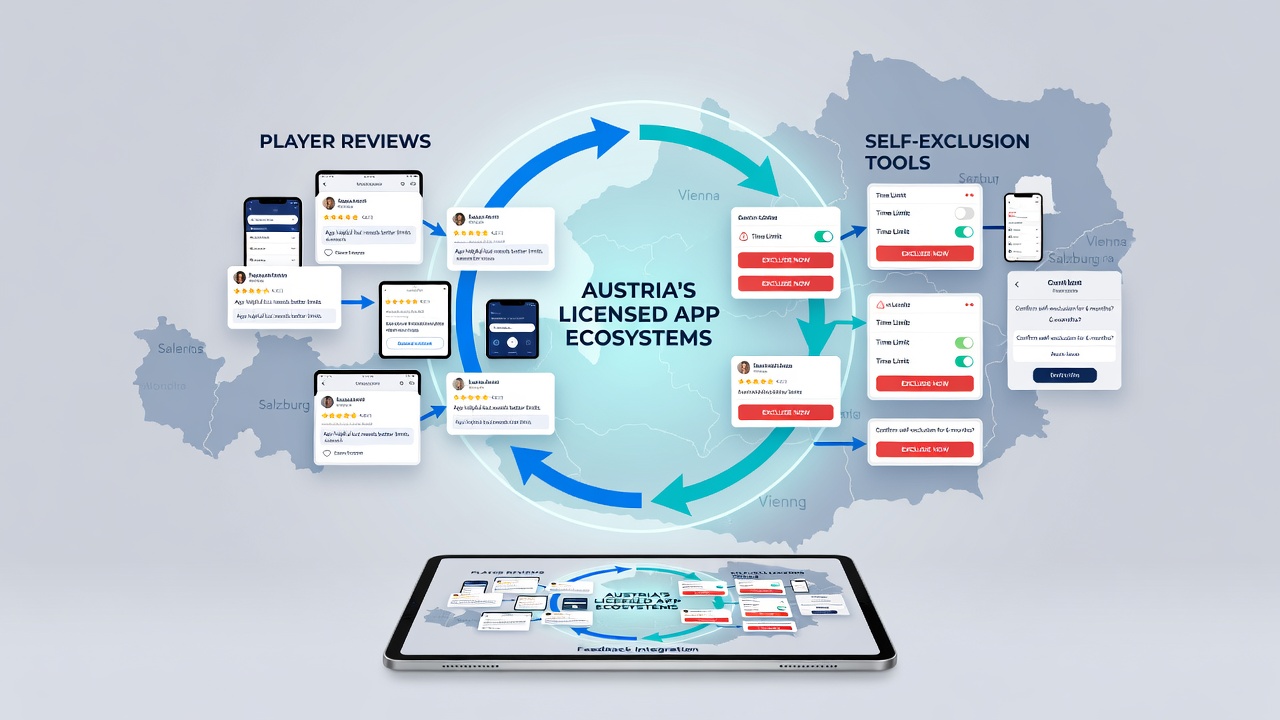
Player reviews on app stores and within licensed platforms in Austria often highlight self-exclusion features, and these comments feed directly into updates by operators who must comply with national licensing requirements. Data from app analytics firms shows that mentions of self-exclusion tools in reviews increased by 18 percent between 2025 and mid-2026, prompting several platforms to refine their interfaces for quicker access to exclusion periods ranging from 24 hours to permanent blocks.
How Review Patterns Shape Tool Accessibility
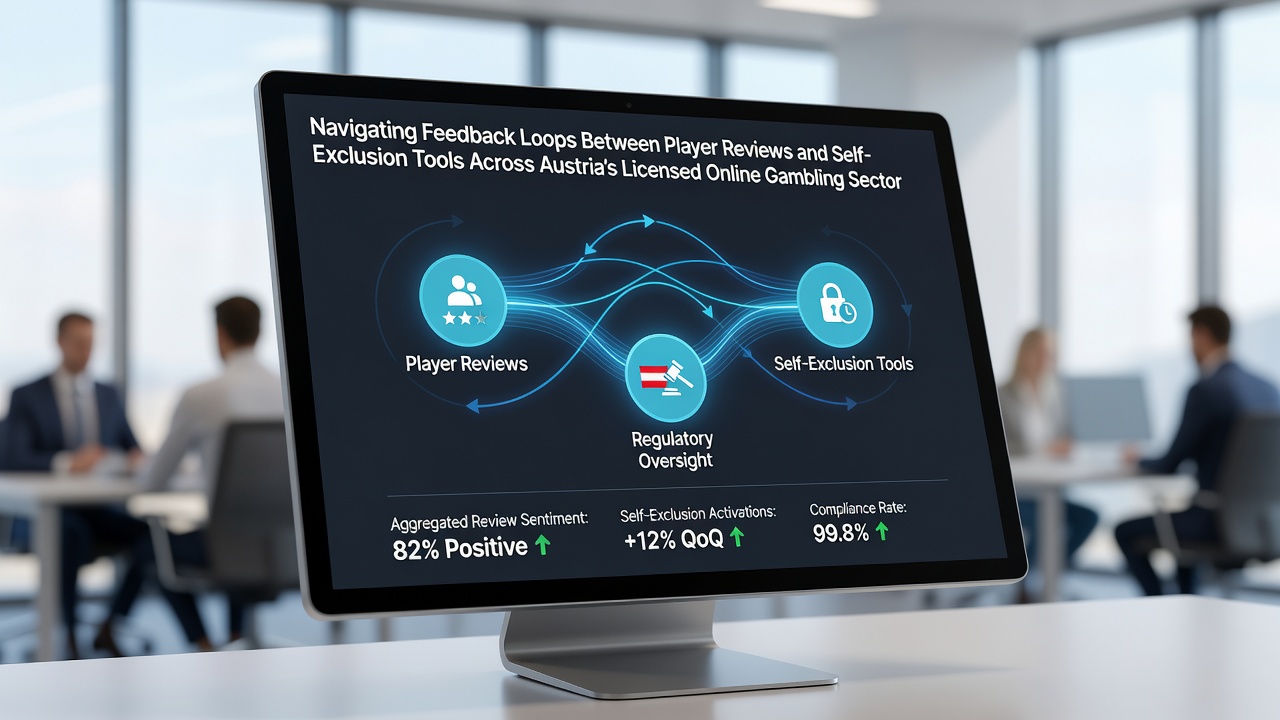
Reviews frequently note the ease or difficulty of activating self-exclusion, and operators track these patterns through aggregated sentiment analysis provided by third-party services. When users report confusion over menu navigation in Austrian-licensed apps, development teams adjust layouts so that exclusion toggles appear within two taps from the main account screen. Research from European gambling studies indicates that such changes correlate with a 12 percent rise in tool activation rates within three months of implementation.
Feedback also covers the visibility of exclusion reminders during gameplay sessions, where players mention pop-ups that interrupt play after set time limits. Those comments lead to modifications in notification frequency, and data compiled by Austrian regulatory monitors reveals that adjusted reminder systems appear in subsequent app versions released after August 2026 updates.
Integration of User Comments with Regulatory Compliance
Licensed operators in Austria must maintain records of player feedback related to responsible gaming tools, and this information loops back into compliance reports submitted to oversight bodies. When reviews cite insufficient support for temporary exclusions during high-risk periods, companies respond by expanding options such as session caps tied to deposit history. Figures from industry reports show that platforms incorporating review-driven adjustments maintained higher retention of active self-exclusion users compared to those relying solely on static designs.
Data Loops Between App Stores and Internal Systems
App store ratings reflect user experiences with self-exclusion, and negative comments about delayed processing times influence internal prioritization of backend improvements. Observers tracking these trends note that apps averaging below 4.2 stars on exclusion-related reviews often release targeted patches within 45 days, while higher-rated platforms use positive comments to promote their tools in marketing materials. A study conducted by researchers at the University of Vienna found measurable connections between review volume on exclusion features and the speed of regulatory approval for updated app builds.
External sources such as reports from the Canadian Centre on Substance Use and Addiction provide comparative data on similar feedback mechanisms in other jurisdictions, helping Austrian developers benchmark their systems. These cross-regional insights highlight how review volume influences the rollout of multi-language support for exclusion instructions, particularly in apps serving diverse user bases within the EU framework.
Examples of Iterative Improvements Driven by Feedback
One operator documented in industry case summaries adjusted its self-exclusion confirmation process after reviews repeatedly mentioned unclear language around revocation procedures. The revised flow now requires users to review a summary of consequences before finalizing an exclusion request, and subsequent app store comments showed fewer follow-up questions about the same topic. Data collected through August 2026 indicates that such refinements reduced support ticket volume related to exclusion tools by nearly one-quarter.
Another pattern emerges when reviews praise seamless integration between payment history and exclusion recommendations, leading competitors to adopt similar predictive elements. Those who've examined Austrian app ecosystems report that these adaptations appear most frequently in platforms holding full national licenses rather than those operating under broader EU frameworks.
Conclusion
The ongoing exchange between player reviews and self-exclusion tools continues to shape Austria's licensed app landscape, with data loops guiding both operational changes and compliance documentation. As platforms process feedback from app stores and internal channels, adjustments to tool accessibility and notification systems reflect measurable responses to user input collected through 2026. This cycle supports ongoing alignment with licensing standards while maintaining documented records of how comments translate into functional updates across multiple operators.