Online Casinos in Austria
Geschrieben von Anna Keller · 4.8.2026

Online Casinos in Austria
The Austrian online casino market operates under a structured legal framework established through federal legislation, and licensed operators must adhere to strict standards set by national authorities while providing access to various gaming options for residents. Data from industry reports indicate steady expansion in participation since the early 2010s, with figures revealing thousands of active accounts registered through compliant platforms as of mid-2026.
Market Development and Key Operators
Austria legalized certain forms of online gambling through amendments to existing gaming laws in 2010, which opened pathways for regulated entities to offer services, and major international providers entered the space alongside domestic companies that secured concessions from the relevant ministries. Observers note that companies like Casinos Austria and several foreign groups maintain prominent positions, offering roulette, blackjack, and slot titles sourced from established software developers such as NetEnt and Microgaming. Market analyses show annual revenue figures reaching hundreds of millions of euros, driven by both local users and cross-border traffic patterns that fluctuate with seasonal tourism data.
Technological infrastructure supports these operations through secure servers hosted within the European Union, and encryption protocols meet ISO standards that protect transaction details during deposits and withdrawals. Players often select from payment options including bank transfers, e-wallets, and credit cards approved under Austrian financial regulations, while verification processes require proof of identity to prevent underage access and comply with anti-money laundering directives.
Player Demographics and Usage Patterns
Statistics compiled by research institutions highlight that adults aged 25 to 45 represent the largest segment of online casino users in Austria, with surveys indicating higher engagement among urban residents in Vienna and Graz compared to rural areas. Participation rates climbed notably in the years following the pandemic, as remote access became more common, and reports from August 2026 document a 12 percent year-over-year increase in registered accounts across licensed sites. Those who study these trends point to mobile compatibility as a factor, although desktop versions continue to attract users seeking detailed game interfaces and multi-table options.
Game Variety and Software Standards
Online platforms available to Austrian residents feature thousands of titles, ranging from classic table games to themed video slots and live dealer streams that connect players to real-time studios in locations across Europe. Software providers undergo testing by independent laboratories such as eCOGRA and GLI to certify random number generators and return-to-player percentages, which typically range between 95 and 98 percent according to published audits. Austrian regulations require clear display of these metrics on game pages, and operators must update libraries regularly to maintain licenses.
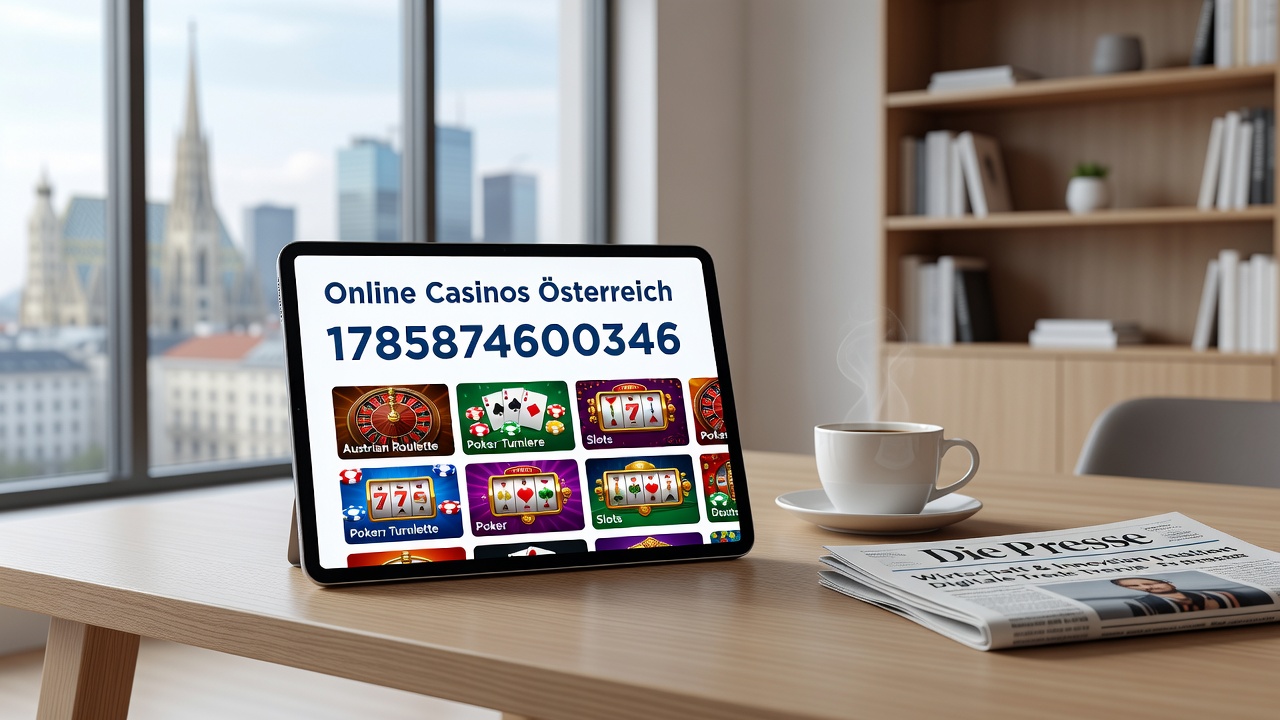
Live casino sections have gained traction because they replicate physical venue atmospheres through high-definition streams, and data indicates these formats account for a growing share of total wagers placed. Progressive jackpot networks link multiple sites, allowing prize pools to accumulate across borders under coordinated agreements that distribute winnings according to fixed rules.
Security Measures and Fair Play Protocols
Every licensed operator implements two-factor authentication alongside regular security audits, and the Austrian data protection authority oversees compliance with GDPR requirements that govern personal information handling. Independent watchdogs publish monthly fairness reports, which detail any discrepancies found during random checks, and operators must address issues within specified timeframes or face penalties. International comparisons reveal that Austria's approach aligns closely with standards in several EU member states, though variations exist in tax structures applied to operator revenues.
According to the Austrian Federal Ministry of Finance, oversight mechanisms include ongoing monitoring of advertising claims to ensure they do not target vulnerable groups. Additional insights from the Canadian Gaming Association research publications provide benchmarks on responsible gaming tool adoption rates that Austrian platforms reference when designing user interfaces.
Future Outlook Through 2026 and Beyond
Regulatory updates anticipated later in 2026 may introduce refined licensing categories that address emerging technologies like virtual reality integrations, while existing concession holders prepare infrastructure adjustments. Industry forecasts project continued moderate growth, supported by stable economic conditions and increasing digital literacy across the population. Observers track these developments through quarterly bulletins issued by trade associations, which compile operator-submitted performance metrics and player feedback summaries without revealing individual account details.
Conclusion
Online casinos in Austria function within a tightly controlled environment that balances commercial activity with consumer safeguards, and available data through August 2026 illustrate consistent patterns of user engagement across diverse game categories. Licensed entities continue to adapt to technological shifts and reporting requirements, maintaining transparency through third-party verifications that underpin public confidence in the sector.