Understanding the Dynamics of Online Casinos in Austria
Geschrieben von Anna Keller · 18.9.2026

Understanding the Dynamics of Online Casinos in Austria
Online casinos in Austria operate under a structured legal framework established through the Glücksspielgesetz, which grants concessions to a limited number of providers while restricting unlicensed operations; this system has shaped the market since its major updates in the early 2010s, and data from national statistics offices show steady growth in licensed digital platforms through 2026.
Market analyses indicate that approximately 15 to 20 operators hold valid concessions at any given time, with many focusing on slot games, table classics such as roulette and blackjack, plus live dealer options streamed from European studios; these offerings attract both domestic users and cross-border visitors who meet age and residency verification standards enforced by the Austrian authorities.
Market Expansion Patterns Through Mid-2026
Figures released in September 2026 by the Austrian Federal Ministry of Finance revealed a 12 percent year-over-year increase in licensed online gaming revenue, driven largely by expanded mobile access and refined user authentication processes that comply with EU data protection rules; observers note that this growth occurred alongside stable participation rates among adults aged 25 to 45, who represent the core demographic according to industry surveys conducted across the EU.
Payment integration plays a central role, as Austrian banks and e-wallet services such as those based in the Eurozone facilitate deposits and withdrawals under strict anti-money laundering protocols, while operators must maintain segregated player funds to align with national consumer protection statutes.
Player Verification and Security Measures
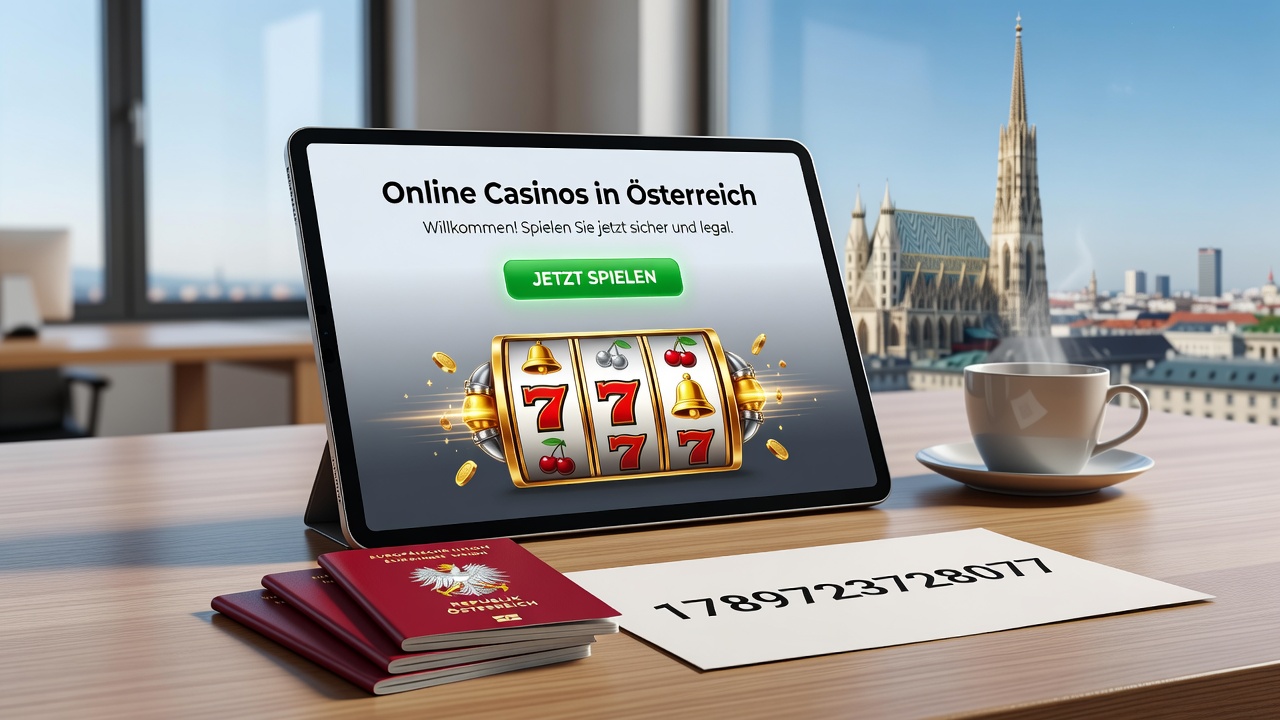
Every licensed platform requires multi-factor identity checks before allowing real-money play, a process that includes document uploads and address confirmation; these steps reduce unauthorized access and support responsible gaming tools like deposit limits and session reminders that operators embed directly into their interfaces.
Research from European academic institutions, including studies coordinated through the University of Vienna's gambling research group, demonstrates that such verification layers correlate with lower rates of underage attempts compared to less regulated markets elsewhere in the region.
Game Variety and Technological Integration
Providers in Austria typically partner with international software developers to deliver certified random number generators and audited game outcomes, ensuring compliance with technical standards set by the Austrian gaming authority; this collaboration has led to an increase in themed video slots and progressive jackpot titles that update in real time across connected networks.
Live casino sections continue to expand, with many platforms offering multiple camera angles and chat functions that mimic physical casino environments while remaining fully digital; data compiled by the European Gaming and Betting Association shows these features account for roughly 30 percent of total playtime on Austrian-licensed sites.
Those who have examined user pathways through these platforms often find that initial game exploration starts with free demo modes, which transition to real-money options only after full account activation and age confirmation.
Cross-Border Comparisons and Regulatory Context
When viewed alongside systems in other jurisdictions, Austria's concession model limits the total number of operators yet maintains high compliance standards similar to those observed in Canadian provincial frameworks; reports from the Canadian Centre on Substance Use and Addiction highlight parallel approaches to player fund segregation and advertising restrictions that both regions enforce.
Operators must also adhere to advertising guidelines that prohibit targeting minors or implying guaranteed wins, rules that mirror broader EU directives on commercial communications for gambling services.
Conclusion
The Austrian online casino sector continues to evolve within its established concession system, supported by ongoing technological upgrades and data-driven oversight from federal bodies; as of September 2026, available statistics point to sustained revenue growth alongside consistent application of verification and protection protocols across licensed platforms.
Future developments will likely reflect adjustments to EU-wide digital service regulations, while domestic operators maintain focus on certified games and secure transaction methods that align with national law.